A portable generator can keep important parts of your home running during a Florida power outage.
But buying the generator is only one part of the backup-power plan.
Homeowners often reach the next question pretty quickly:
“How do I connect this thing to my house?”
There is a big difference between powering a few individual appliances with properly rated extension cords and connecting a generator into your home's electrical system.
If you want generator power available through selected household circuits, the connection needs to be designed so generator power and utility power cannot be improperly connected at the same time.
That's where generator inlets, interlocks, and transfer equipment come in.
The Short Answer
A portable generator should not be improvised into your home's electrical wiring.
A professionally designed portable-generator connection may include:
- an exterior generator inlet;
- properly sized wiring;
- a generator breaker or transfer equipment;
- an approved means of preventing generator power from backfeeding utility lines;
- installation appropriate for the specific panel and generator.
Which configuration is right depends on your home's electrical system, generator, desired loads, equipment compatibility, and applicable installation requirements.
What Is a Generator Inlet?
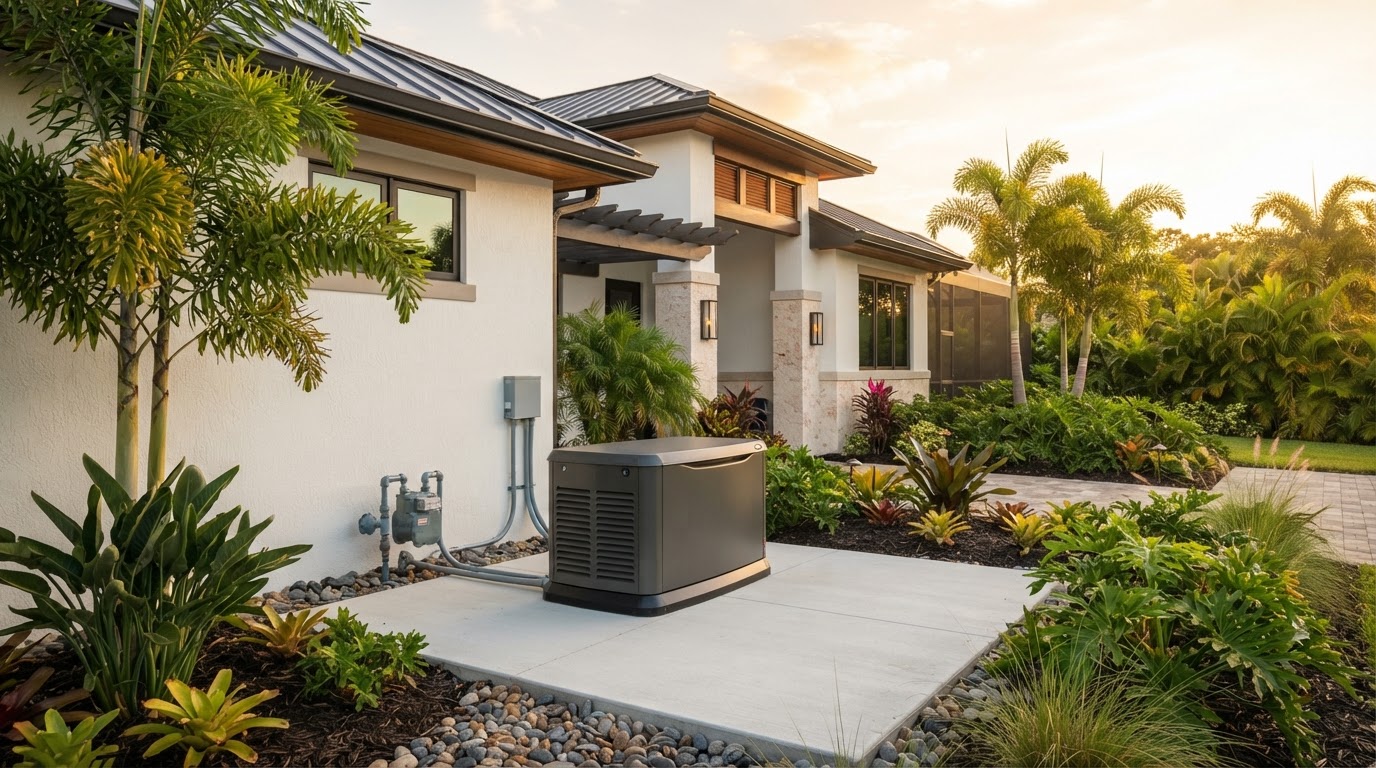
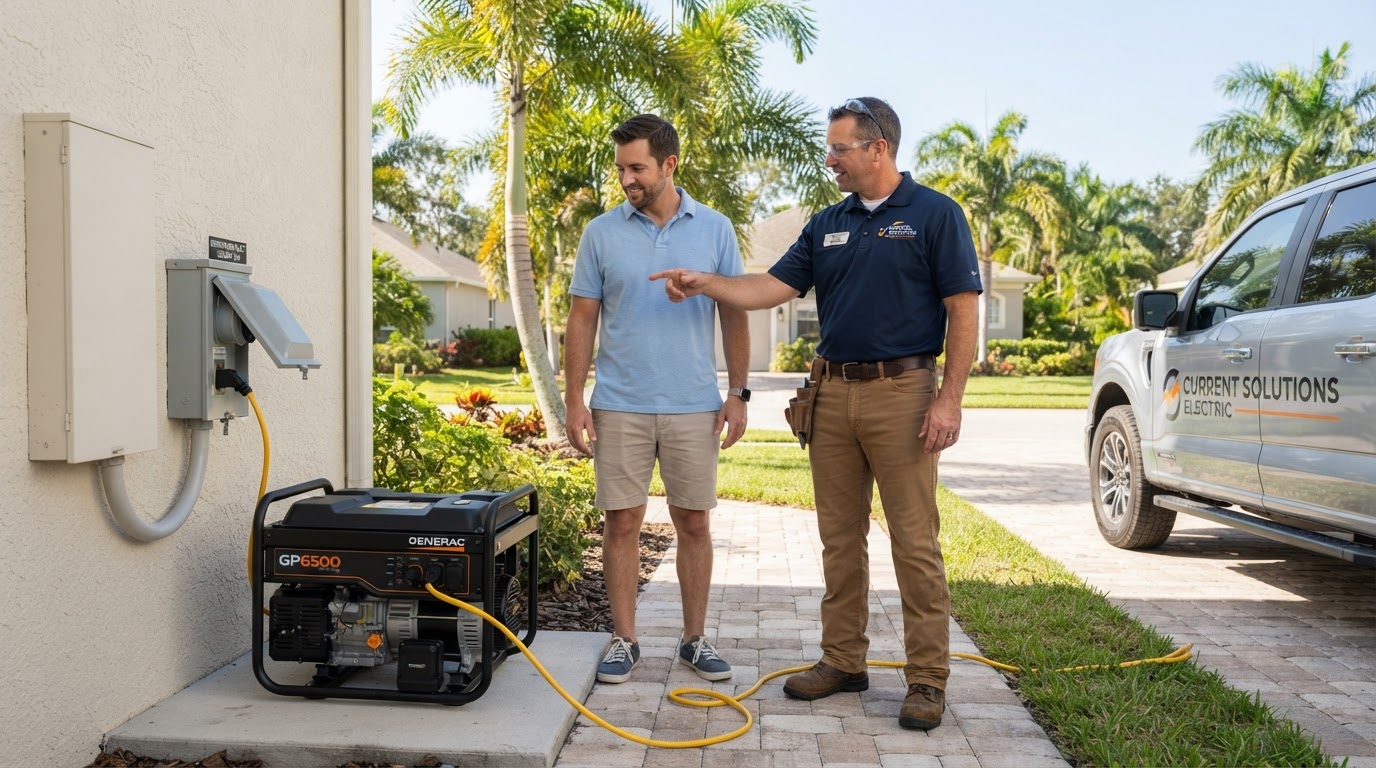
A generator inlet is a dedicated connection point installed for the generator.
Think of it as the proper place for the generator's power cord to connect to the home's backup-power system.
It is not the same thing as an ordinary receptacle.
A typical setup may place the inlet:
- on an exterior wall;
- near the garage exterior;
- near the electrical service area;
- or in another location selected for the installation.
The generator remains outdoors, where it can be operated according to manufacturer and carbon-monoxide safety requirements.
From the inlet, permanently installed wiring carries power toward the transfer/interlock equipment associated with the electrical panel.
Important Distinction
The inlet gets generator power into the system.
The interlock or transfer equipment controls how that generator power can interact with the home's circuits and utility supply.
Those are related components, but they are not the same thing.
What Does a Generator Interlock Do?
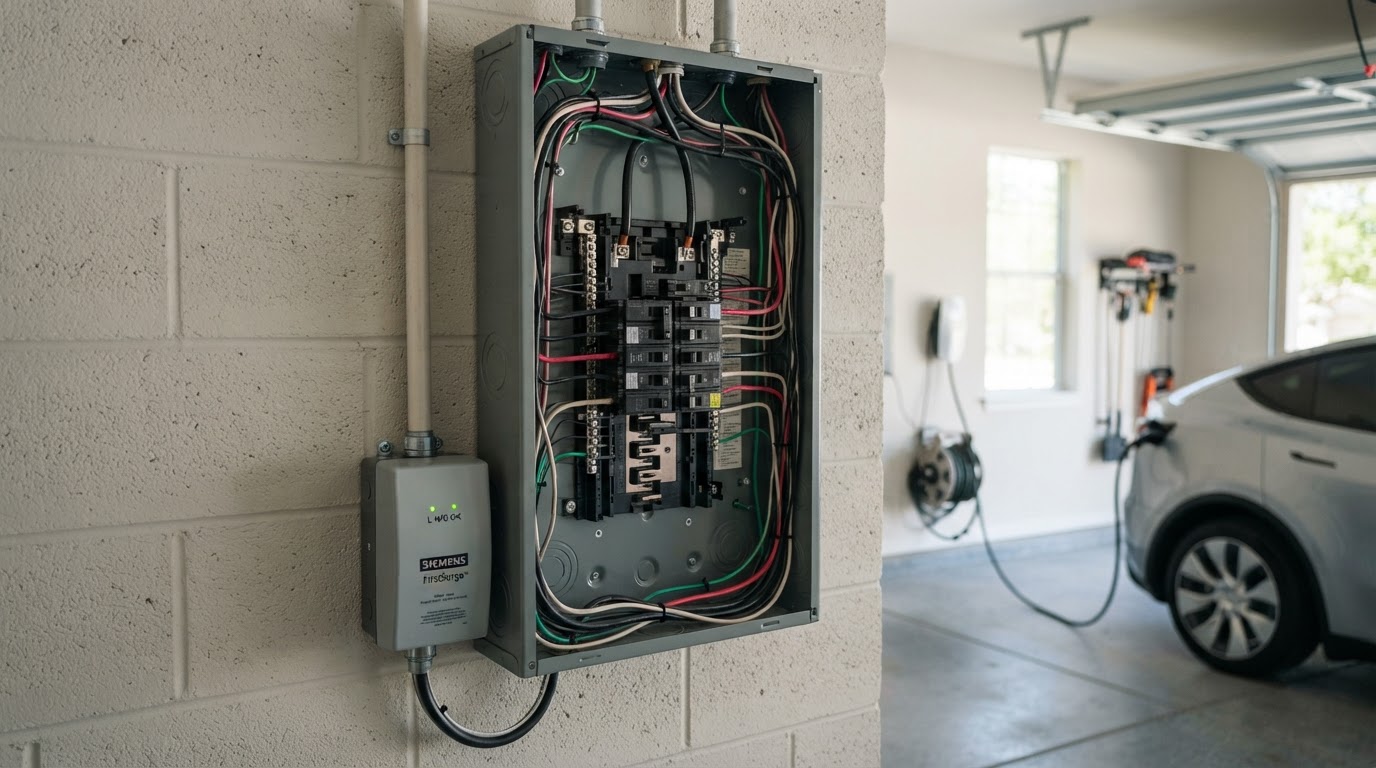
A generator interlock is generally a mechanical arrangement associated with the electrical panel that prevents the main utility breaker and generator-supply breaker from being in an incompatible operating position at the same time.
In plain English:
It helps prevent the generator from feeding the home's electrical system while the home is simultaneously connected to utility power in a way that could create dangerous backfeed conditions.
An interlock setup may allow the homeowner to choose among available household circuits while staying within the generator's capacity.
That does not mean every electrical panel can simply accept any aftermarket interlock.
Equipment compatibility, listing, panel configuration, breaker arrangement, generator capacity, and installation requirements matter.
An electrician should evaluate the specific equipment rather than assuming an interlock found online is appropriate simply because it appears to fit.
What Is a Manual Transfer Switch?
A manual transfer switch provides another way to separate utility power from generator power.
Instead of using the main service panel in the same way as an interlock arrangement, a manual transfer system may be configured around selected circuits or loads.
During an outage, the homeowner manually transfers those loads from utility supply to generator supply according to the system's operating instructions.
The practical difference for many homeowners is:
Interlock-Based System
May provide greater flexibility in choosing which panel circuits are energized, subject to generator capacity and the design of the system.
Manual Transfer Switch
May be configured around a defined group of backup circuits.
Neither approach should be selected based only on which one sounds cheaper or easier.
The better question is:
“Which approach works properly with my generator, panel, desired backup loads, and home?”
For a deeper look at how transfer switches and interlock kits compare, read OTBSE's guide to generator transfer-switch and interlock options.
Where Does an Automatic Transfer Switch Fit In?
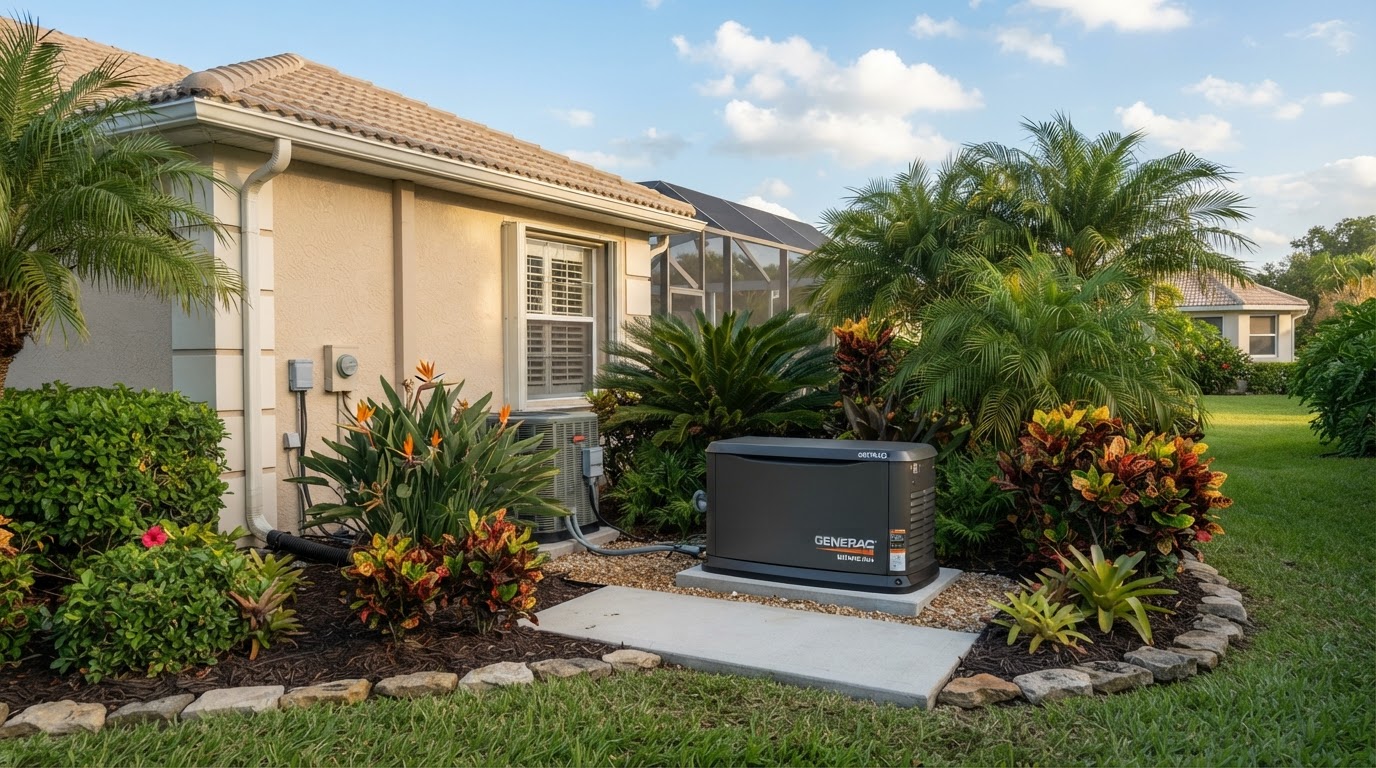
Automatic transfer switches are typically associated with permanently installed standby-generator systems rather than the basic portable-generator setup most homeowners are asking about when they search for a generator inlet.
An automatic system can detect a utility outage and transfer the electrical supply according to the design of the standby system.
That is a different level of backup-power planning.
If your goal is:
“I want my generator to start and transfer power automatically even if I'm not home,”
you are generally moving into standby-generator territory rather than a basic portable-generator inlet installation.
OTBSE already has a dedicated guide covering generator transfer-switch options and installation considerations.
This article is focused primarily on connecting portable generators safely and conveniently.
Why Can't You Just Plug the Generator Into a Dryer Outlet?
Because improvised backfeeding is dangerous.
One especially hazardous method uses a cord with male plugs on both ends to attempt to send generator power backward into household wiring.
The U.S. Consumer Product Safety Commission issued a 2026 warning telling consumers to stop using male-to-male extension cords, specifically noting that they are often used to backfeed generators into residential electrical systems.
The hazards include:
- energized exposed prongs;
- electrocution;
- fire;
- generator power feeding utility lines;
- danger to utility crews and others.
Florida Power & Light likewise warns portable-generator users not to wire generators directly into the breaker or fuse box because generated power can flow back onto utility lines and cause severe injury or death.
A proper connection system exists specifically so homeowners do not have to improvise this part.
Can I Just Run Extension Cords Instead?
For certain portable-generator uses, properly rated extension cords can power individual appliances directly from the generator when used according to generator and cord instructions.
For example, a homeowner may want temporary power to certain plug-connected loads.
That is very different from energizing household branch circuits through the electrical panel.
Extension cords generally do not give you normal use of hardwired loads such as:
- central HVAC equipment;
- certain pumps;
- hardwired lighting;
- permanently connected equipment;
- other circuits that cannot simply be plugged into a generator.
Some homeowners decide extension cords are adequate for their outage plan.
Others want the convenience of a properly installed home connection.
Neither decision should involve backfeeding the house through an improvised cord.
What Can a Portable Generator Actually Power?
That depends on the generator and the loads you choose.
Every generator has a limited output.
The fact that a connection system allows access to household circuits does not mean the generator can run everything in the house simultaneously.
A backup-power plan should consider:
- generator running wattage;
- starting loads;
- HVAC;
- refrigeration;
- well or lift pumps where applicable;
- lighting;
- communications equipment;
- medical or other essential equipment;
- water heating;
- cooking equipment;
- other household priorities.
One of the most important parts of generator planning is deciding:
“What do I actually need during an outage?”
That answer often influences the connection method and generator size.
For more on how capacity affects your backup-power plan, see OTBSE's guide to how generator sizing affects what you can power.
Does a Generator Inlet Mean I Can Power My Whole House?
Not necessarily.
The inlet is simply the connection point.
The amount of the home you can safely power depends on:
- generator capacity;
- connection equipment;
- circuit/load selection;
- electrical-system design;
- starting demands;
- how the homeowner manages the available generator output.
A smaller portable generator may be excellent for critical outage loads while being completely inappropriate for running the entire home.
A larger generator still requires proper load planning.
A professional generator connection should not be sold as:
“Plug it in and run everything.”
Do I Need a Permit for a Generator Inlet or Interlock in Florida?
Electrical work involving permanent modifications to a home's electrical system can involve permitting and inspection requirements.
The exact requirement depends on the work and the authority having jurisdiction.
Rather than making one blanket statement for every Florida jurisdiction and every installation, OTBSE should confirm the applicable requirements for the actual project location and scope.
For homeowners in Manatee and Sarasota Counties, that is one reason to discuss the complete connection—not simply purchase hardware online and assume it can be installed as planned.
Can Any Portable Generator Be Connected to a Home Inlet?
No universal answer applies to every generator.
Before planning the inlet and connection system, the electrician needs information about the actual generator, such as:
- manufacturer;
- model;
- voltage;
- output;
- receptacle configuration;
- cord/connection requirements;
- intended loads.
This is why sending OTBSE a clear photo of the generator's data plate and connection panel can be useful when requesting an estimate.
The electrical panel matters too.
Useful information can include:
- panel manufacturer;
- main service rating;
- available breaker space;
- panel configuration;
- photographs;
- desired backup loads.
Do not guess at those details if you are unsure.
What Information Should You Send OTBSE for a Generator Connection Estimate?
If you already own the portable generator, send:
- Generator manufacturer and model
- Photo of the generator data plate
- Photos of its receptacles/connection panel
- Photo of your electrical panel
- Photo showing the panel manufacturer/model information if safely visible
- Where you plan to operate the generator outdoors
- Where you would prefer the generator inlet
- The circuits or equipment you most want available during outages
- Your property address
- Any existing generator equipment already installed
Those details may allow OTBSE to determine whether the project is sufficiently defined for estimate preparation.
If the electrical configuration is unclear or the project requires onsite investigation, an onsite evaluation may be the appropriate next step.
Generator Safety Goes Beyond the Electrical Connection
A safe electrical connection does not make an improperly operated generator safe.
Portable generators produce carbon monoxide.
FPL advises portable-generator users to operate generators outdoors and away from open windows, including neighboring windows.
Other basic operating precautions include following the generator manufacturer's instructions, keeping the equipment dry, avoiding operation while standing in wet conditions, and never refueling a hot or running generator.
The electrician handles the electrical connection.
The homeowner still needs to operate and maintain the generator according to its manufacturer requirements.
What If You Already Have an Interlock or Generator Inlet?
If you purchased a home with generator equipment already installed—or simply are not sure what you have—do not assume the system is correct based solely on appearance.
An electrician can identify:
- what equipment is installed;
- how it is configured;
- whether the existing setup matches the panel;
- what generator it appears designed to support;
- whether anything needs repair or updating.
That can be especially useful before hurricane season or before relying on an unfamiliar system during an outage.
Portable Generator Connection vs. Standby Generator: Which Is Right for You?
A portable-generator connection may make sense if you:
- already own a suitable portable generator;
- are comfortable starting and connecting it manually;
- only need selected loads during outages;
- want a lower-complexity backup option.
A standby system may be worth exploring if you:
- want automatic operation;
- need larger backup capacity;
- want the system available when no one is home;
- prefer a permanently installed backup solution.
The right backup-power system is not necessarily the largest one.
It is the one that matches your priorities, home, budget, electrical system, and outage needs.
The Connection Is Part of the Generator System—not an Accessory
Homeowners sometimes spend a lot of time choosing a generator and very little time thinking about how it will connect to the house.
But if the goal is to use the home's electrical circuits during an outage, the connection equipment is part of the backup-power system itself.
A properly planned system answers four questions:
Where does generator power enter the home?
How is utility power isolated?
Which loads can the generator support?
How will the homeowner operate the system safely?
Once those questions are answered, a portable generator becomes much more useful—and much less dependent on improvisation when a storm has already knocked the power out.
If you are still preparing your home before a generator is installed, read OTBSE's guide to preparing your home's electrical system for generator installation.