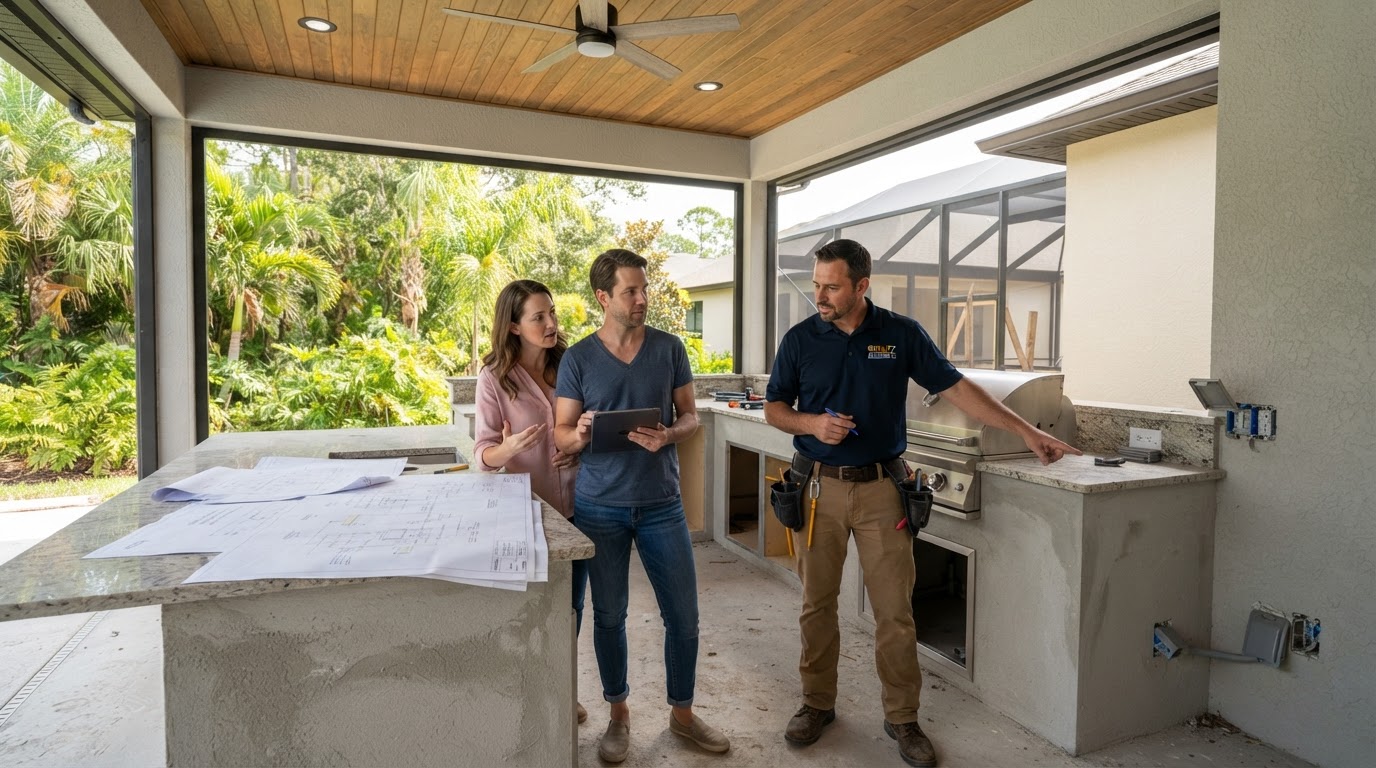
An outdoor kitchen can turn a Florida lanai or backyard into one of the most-used spaces in the home. But refrigerators, grills, beverage coolers, lighting, fans, televisions and countertop appliances all need to be considered before the cabinets, countertops and finished surfaces go in.
That is why electrical planning should happen early.
The goal is not simply to “add a few outlets.” A well-planned outdoor kitchen needs power placed where it will actually be used, appropriate protection for the environment, enough electrical capacity for the equipment, and a layout that works with the rest of the outdoor living space.
If you are planning an outdoor kitchen in Sarasota or Manatee County, here are the electrical decisions worth making before construction gets too far along.
Start With the Equipment You Actually Plan to Install
Electrical planning begins with the appliance and equipment list.
Your outdoor kitchen might include:
- a refrigerator or beverage cooler
- an ice maker
- electric cooking equipment
- countertop appliances
- task and accent lighting
- ceiling fans
- a television
- speakers or entertainment equipment
- convenience outlets
- other specialty equipment
Do not assume two appliances that look similar have the same electrical requirements.
The electrician needs the manufacturer information for the equipment whenever possible because voltage, power requirements, connection method and installation instructions can vary.
Choosing major equipment early makes it much easier to design the electrical portion of the project correctly.
Some Equipment May Need Its Own Circuit
One of the biggest planning mistakes is assuming everything in an outdoor kitchen can simply plug into an existing patio circuit.
Depending on the equipment and electrical load, certain appliances or devices may require dedicated electrical capacity.
A dedicated circuit serves a specific load rather than sharing power with several unrelated devices. This can be especially important for equipment that draws significant power or is required by its manufacturer to be connected a certain way.
The correct circuit arrangement depends on the actual equipment, its installation instructions, the home's existing electrical system and applicable electrical requirements.
That is why the appliance list needs to be part of the electrical conversation before rough-in begins. If you want to understand dedicated circuits in more detail, see our guide on why some appliances need their own electrical circuit.
Outdoor Receptacles Need to Be Planned for an Outdoor Environment
An outdoor kitchen is not the same electrical environment as an indoor kitchen.
Receptacles and other electrical equipment may be exposed to humidity, rain, wind-driven moisture and Florida's generally demanding outdoor conditions.
The electrical installation may need appropriate ground-fault protection, weather-resistant equipment, covers or enclosures, and other safeguards depending on the specific location and installation.
OTBSE already has a homeowner guide explaining GFCI outlets in Florida homes. The important takeaway for an outdoor kitchen is simple: outlet placement should be planned by more than convenience alone.
The location, exposure and intended equipment all matter.
Decide Where You Need Convenience Power
Not every outlet will be dedicated to a permanent appliance.
Think about the smaller things you may eventually want to plug in:
- blender
- slow cooker
- warming tray
- phone charger
- small television
- decorative lighting
- portable kitchen appliance
Planning convenience receptacles before the countertop and backsplash are finished can create a cleaner installation and a much more usable outdoor kitchen.
It also avoids relying on extension cords across cooking or walking areas.
Plan Lighting Before the Ceiling and Cabinets Are Finished
Outdoor kitchens often need more lighting than homeowners initially expect.
You may want a combination of:
- overhead lighting
- task lighting over food-preparation areas
- lighting around the grill
- decorative or accent lighting
- under-counter or cabinet lighting
- pathway or surrounding outdoor lighting
The time to decide where those lights and controls belong is before the ceiling, walls, cabinetry and stone finishes are complete.
You should also think about how you want the lighting controlled.
Would you like all the lights on together? Would separate task and ambient lighting zones be more useful? Would dimming make sense for evening entertaining?
Those decisions affect wiring and switching, so they are easier to address during planning than after the space is finished.
Do Not Forget Fans, TVs and Entertainment Features
Florida outdoor living spaces often do more than support cooking.
A covered lanai may also include ceiling fans, a television, speakers, Wi-Fi equipment or other entertainment features.
Those items need to be coordinated with the lighting plan, ceiling layout and appliance locations.
For example, a ceiling fan can affect where recessed or surface-mounted lighting should go. A television may require power in a location that would be difficult to reach after stone or finished wall materials are installed.
Looking at the entire space instead of each electrical item individually usually produces a cleaner result.
Your Existing Electrical Panel Matters Too
Adding several new electrical loads can affect the overall electrical plan.
That does not automatically mean your home needs a panel or service upgrade.
It does mean the electrician may need to consider:
- the equipment being added
- available electrical capacity
- existing circuits
- panel condition
- project scope
- future electrical plans
If you are also planning an EV charger, pool equipment, home addition, major kitchen remodel or another significant electrical project, it is especially useful to discuss those plans at the same time.
The objective is to design for the home you are creating, not just the one appliance being installed today.
Coordinate the Outdoor Kitchen With the Rest of the Outdoor Living Space
Many Florida outdoor-kitchen projects are part of a larger renovation.
You may also be changing:
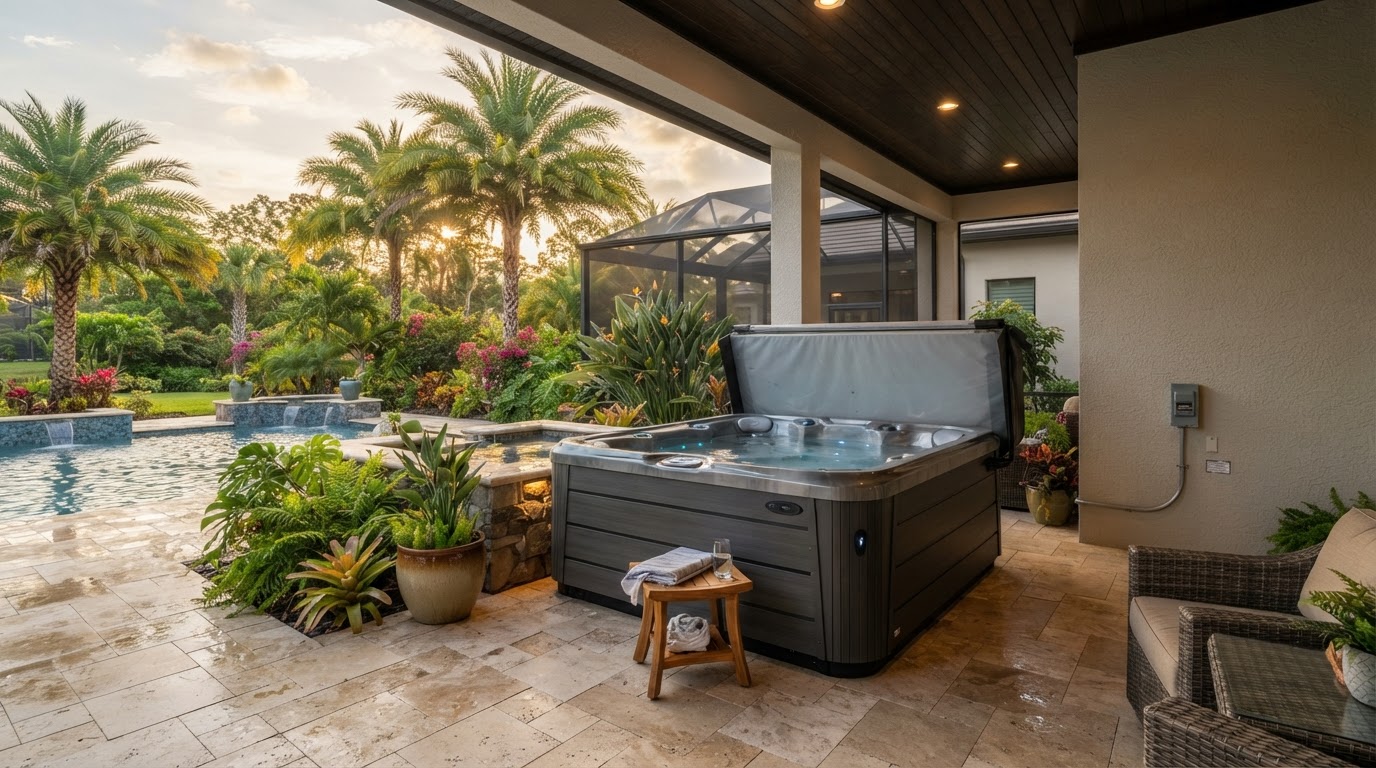
- pool or spa areas
- landscape lighting
- covered-lanai lighting
- exterior receptacles
- ceiling fans
- outdoor entertainment
- screen enclosures
- patio or deck finishes
Tell your electrician about the entire plan.
It may be more efficient to prepare for several electrical needs during the same construction phase rather than opening completed areas again later.
Get the Electrician Involved Before Everything Is Finished
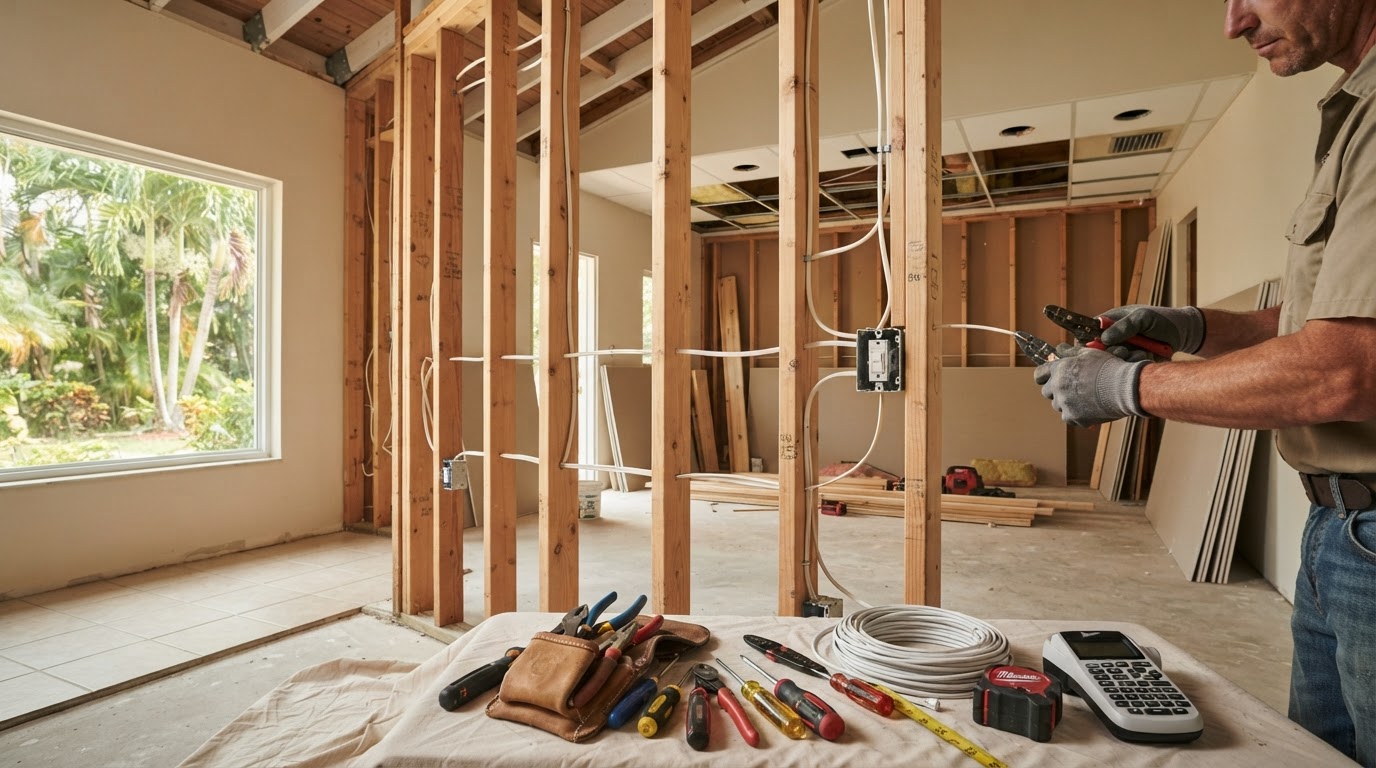
The best time to discuss electrical work is usually during planning, not after the outdoor kitchen is installed.
Ideally, electrical decisions are made before items such as:
- cabinetry
- countertops
- stone or tile
- ceiling finishes
- pavers
- finished walls
- permanent appliances
limit access.
Early planning also gives your electrician an opportunity to review appliance information, circuit needs, outlet placement, lighting and the existing electrical system as one coordinated project.
Outdoor Kitchen Electrical Work in Sarasota and Manatee County
On The Bright Side Electric provides remodeling and outdoor-living electrical work throughout Sarasota and Manatee County, including Sarasota, Bradenton, Parrish, Palmetto, Ellenton, Lakewood Ranch, Longboat Key, Siesta Key and surrounding communities.
If your project scope is already clear, you can start with OTBSE's free remote estimate process by sending project details, plans, equipment information and photos.
For larger remodeling projects, involving the electrician early can make the entire construction process easier. Learn more about electrical work for kitchen and home remodels.
Planning an Outdoor Kitchen?
If you are building or remodeling an outdoor kitchen in Sarasota or Manatee County, involve the electrical contractor before the space is finished.
Send On The Bright Side Electric your project details, appliance information, plans or photos, and we can help determine the appropriate next step.
Serving homeowners throughout Sarasota and Manatee Counties.